
Tips for Creating a Relaxing Home Workspace to Boost Productivity
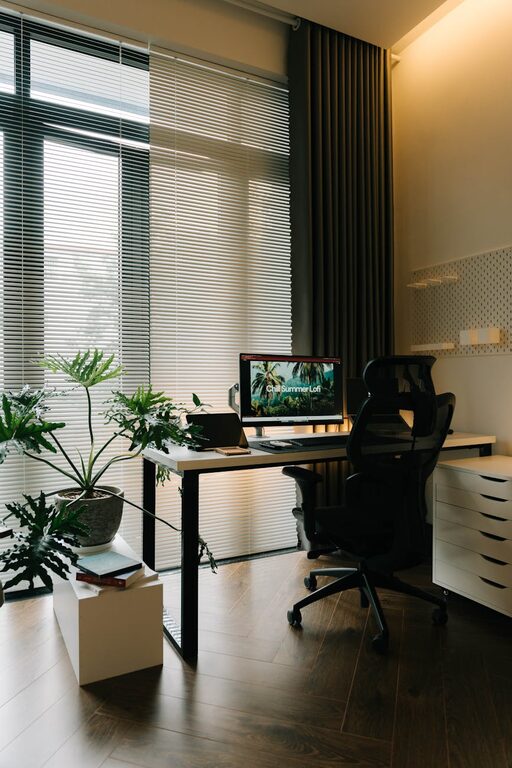
Creating a relaxing home workspace is key to maintaining productivity and comfort during remote work or study. When your environment feels calm and inviting, it’s easier to stay focused and complete tasks efficiently. Whether you have a dedicated room or just a small corner, there are simple strategies you can use to transform your space into a peaceful productivity zone.
Why a Relaxing Workspace Matters
A cluttered or chaotic workspace can increase stress and decrease motivation. On the other hand, a well-designed area that promotes relaxation encourages concentration, reduces fatigue, and makes working from home more enjoyable.
By making your home workspace pleasant and comfortable, you’ll create a positive routine, helping you separate work time from personal time—key for maintaining good work-life balance.
Choose the Right Location
Quiet and Low Distraction Areas
Select a spot in your home with minimal noise and foot traffic. This can be a spare room, a quiet corner, or even an unused dining table. Limiting distractions helps you focus better on your tasks.
Good Lighting is Essential
Natural light is ideal. Position your desk near a window to benefit from sunlight, which improves mood and alertness. If natural light is limited, use soft, bright desk lamps that replicate daylight.
Invest in Comfortable Furniture
Ergonomic Chair and Desk
Comfort is a foundation of a relaxing workspace. Choose a chair that supports your back and promotes good posture. A desk at the right height keeps your arms and wrists comfortable during work.
Personalize with Soft Elements
Adding a cushion or a footrest can increase comfort. Including a small plant or a soft throw can add a touch of coziness without creating clutter.
Keep Your Workspace Organized
Declutter Regularly
An organized desk minimizes stress. Make it a habit to clear unnecessary items daily and keep only what you need within reach.
Use Storage Solutions
Use shelves, drawers, or desk organizers to keep paperwork and supplies tidy. Label containers to easily find what you need, saving time and frustration.
Add Calming Elements
Incorporate Plants and Greenery
Plants not only improve air quality but also have a soothing effect on the mind. Choose low-maintenance plants like succulents or pothos.
Use Calming Colors
Choose colors that promote relaxation, such as soft blues, greens, or neutrals. You can include these colors on walls, accessories, or desk items.
Manage Noise Levels
Soundproof When Possible
If noise is a problem, consider noise-cancelling headphones or soft background music to drown out distractions.
Use White Noise Machines
A white noise machine can help mask disruptive sounds, creating a consistent environment conducive to concentration.
Set Boundaries and Routine
Define Your Work Hours
Clear start and end times help your brain switch between work and relaxation modes.
Keep Work and Leisure Separate
Avoid working in places where you relax, like your bed. This physical separation helps maintain focus during work hours.
Technology and Tools
Keep Devices Ready but Uncluttered
Have your computer, charger, and essential tech items organized and within reach. Disconnect from non-work-related notifications during work time to stay focused.
Use Task Management Apps
Tools like calendars or to-do lists keep your activities on track and reduce cognitive load.
Take Regular Breaks
Use the Pomodoro Technique
Work for focused intervals, such as 25 minutes, followed by short breaks. This method keeps your mind fresh and reduces burnout.
Stretch or Move
Stand up, stretch, or take a quick walk during breaks to boost circulation and mental alertness.
Final Thoughts
Creating a relaxing home workspace is about balancing comfort, organization, and personal touches to enhance productivity. By dedicating attention to your environment and habits, you can make working from home a more pleasant and effective experience. Start with small changes and gradually build a space that inspires focus, creativity, and well-being.