
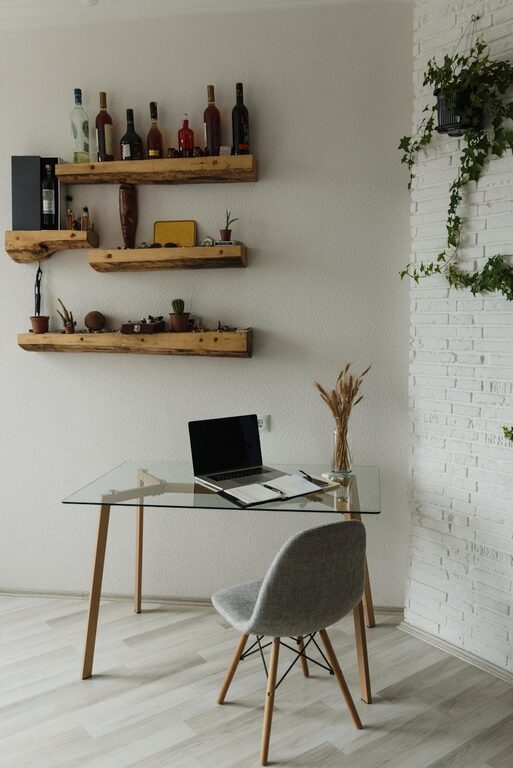
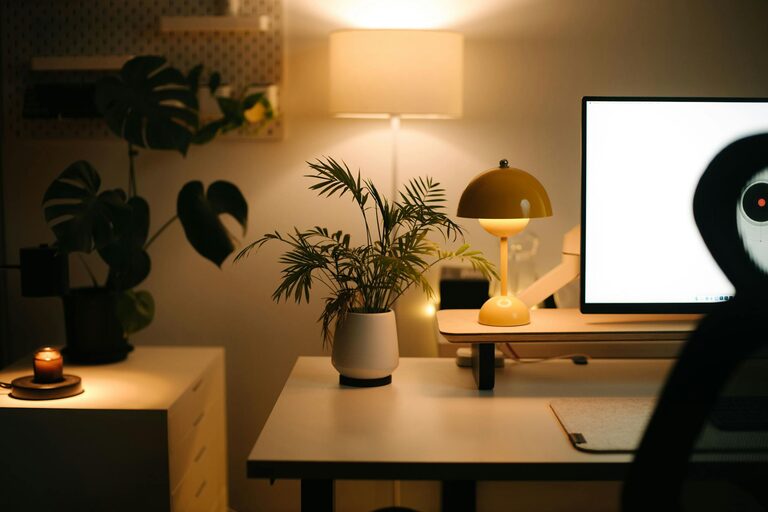
Tips for Creating a Cozy and Functional Home Workspace
Creating a cozy and functional home workspace is essential for anyone working remotely or studying from home. A well-designed area not only improves productivity but also boosts your overall well-being by reducing stress and distractions. Whether you have a dedicated room or a small corner, these tips can help you set up a space that feels inviting and supports your daily tasks efficiently.
Choose the Right Location
Selecting the right spot for your home workspace is the first step toward creating an effective setup.
– Natural light: Position your desk near a window to take advantage of natural light, which can improve mood and reduce eye strain.
– Quiet and private: Find a quiet area away from high-traffic zones to minimize interruptions.
– Space considerations: Ensure there is enough room for your equipment and to move comfortably.
If space is limited, consider flexible options like a fold-away desk or a compact workstation that fits into a corner.
Invest in Comfortable Furniture
Comfort is key when spending hours at your workspace.
– Ergonomic chair: Choose a chair with good lumbar support, adjustable height, and comfortable cushioning.
– Proper desk height: Your desk should allow you to type and write with your wrists straight and elbows at about 90 degrees.
– Footrest: If your feet don’t reach the floor comfortably, a footrest can improve posture and circulation.
Taking the time to select the right furniture will help prevent discomfort and improve focus.
Organize Your Workspace Effectively
A clutter-free workspace encourages productivity and reduces stress.
– Use organizers: Utilize trays, pen holders, and file organizers to keep supplies neat and within reach.
– Cable management: Use clips or sleeves to keep cords tidy and prevent tangling.
– Declutter regularly: Spend a few minutes each day or week clearing unnecessary items.
Consider labeling drawers or shelves to make it easier to find and return items.
Personalize Your Space
Adding personal touches can make your workspace feel inviting and motivating.
– Plants: Small indoor plants add color and can improve air quality.
– Artwork or photos: Display your favorite prints or family photos to create a positive atmosphere.
– Decor: Use cozy elements like a soft rug, cushions, or warm lighting to make your area feel comfortable.
Balance personalization with simplicity to avoid distractions.
Optimize Lighting
Good lighting reduces eye strain and enhances focus.
– Layered lighting: Combine natural light, overhead lights, and task lighting such as desk lamps.
– Adjustable lamps: Use lamps with adjustable brightness and direction to suit various tasks.
– Avoid glare: Position screens and lights to reduce reflections and glare.
If natural light is limited, consider daylight bulbs that mimic sunlight to keep energy levels up.
Incorporate Technology Wisely
Technology is essential but can also become a source of distraction if not managed well.
– Reliable internet: Ensure a strong and stable internet connection.
– Quality peripherals: Invest in a comfortable keyboard, mouse, and monitor for ease of use.
– Minimize devices: Limit the number of gadgets on your desk to essentials to keep the area clean and focused.
Use wireless options when possible to reduce cable clutter.
Create a Routine and Boundaries
Establishing a routine helps separate work and personal life, which is vital when working from home.
– Set working hours: Define clear start and end times for your workday.
– Take breaks: Incorporate short breaks to stretch and refresh.
– Dedicated workspace: Use your home office only for work-related activities to create a mental boundary.
Communicate your schedule with family or housemates to minimize interruptions.
Pay Attention to Air Quality and Temperature
Comfort extends beyond furniture and lighting.
– Ventilation: Open windows when possible or use air purifiers to keep the air fresh.
– Temperature control: Use fans or heaters as needed to maintain a comfortable temperature.
– Humidity: Consider a humidifier or dehumidifier depending on your climate to avoid dry air.
A comfortable environment supports better concentration and overall health.
Final Thoughts
Designing a cozy and functional home workspace requires attention to comfort, organization, personalization, and technology. By carefully planning your setup and maintaining clear boundaries, you can create an environment that helps you stay productive and feel good throughout the day. Start small and adjust your space as you discover what works best for you. A thoughtfully designed workspace is an investment in your work habits and well-being.
Related Post
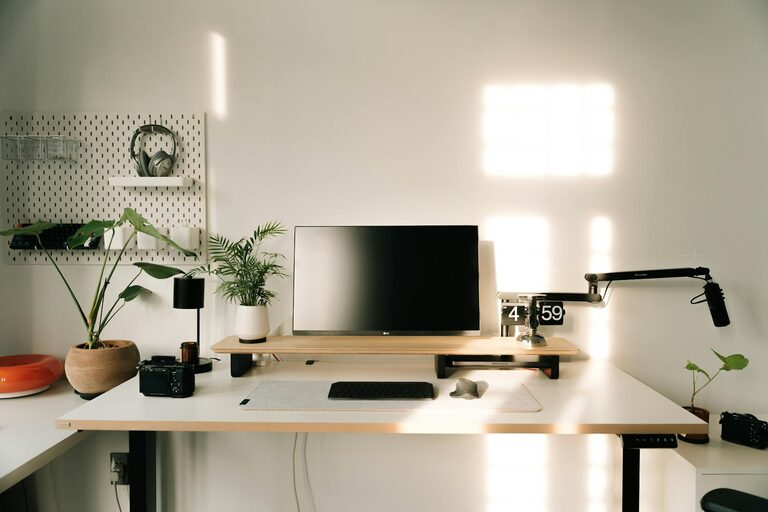
Creative Ways to Organize Your Workspace for Increased Productivity
Creating an organized workspace is more than just tidying up; it’s about designing an environment…